
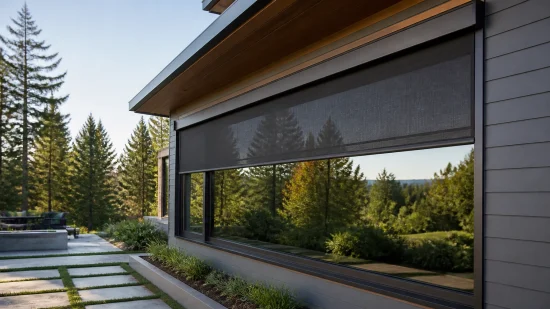
Let’s face it: summer in the Portland Metro area isn't what it used to be. While we all love those long June days and clear July evenings, the reality of "heat domes" and record-breaking temperatures has made our homes feel more like greenhouses than sanctuaries. You know the feeling, you’re sitting in your living room in Lake Oswego or your kitchen in Beaverton, and suddenly, the sun hits that one specific west-facing window. Within minutes, the temperature in that room spikes, your AC starts working overtime, and you’re forced to retreat to a cooler part of the house.
These "hot spots" are the bane of every Portland homeowner's existence. The good news is that exterior window shades are the most effective way to fight back. However, simply slapping a shade on a window isn't a guaranteed fix. In our years of helping families across the West Side and Vancouver stay cool, we’ve seen a few common blunders that prevent people from getting the relief they deserve.
Are you making one of these errors? Let’s look at the seven most common mistakes homeowners make with exterior shades and how you can fix your home’s hot spots for good.
1. Relying on Interior Blinds to Fight Heat
This is the most common misconception we encounter. Many homeowners believe that closing their heavy interior curtains or blinds will keep the room cool. Simply put, it doesn’t.
When sunlight hits your window glass, it creates a "greenhouse effect." The heat passes through the glass and is trapped inside the room. By the time that heat hits your interior blinds, it's already inside your home. The fabric of your curtains actually absorbs that heat and radiates it back into the room like a radiator.

The Fix: You need to stop the sun before it touches the glass. This is why SunSetter EasyShades are so much more effective. By blocking up to 90% of sun and heat on the outside, you keep the glass cool and prevent the greenhouse effect from ever starting.
2. Choosing the Wrong "Openness Factor"
When you look at exterior solar shades, you’ll see something called "openness factor" (usually 5%, 10%, or 14%). This refers to how tight the weave of the fabric is. A common mistake is choosing a weave that is too open for a high-intensity window.
If you have a massive west-facing window in West Linn that gets hammered by the afternoon sun, a 14% openness might still let in too much glare and heat. On the flip side, choosing a 1% openness for a window where you want to maintain a view might make the room feel too dark.
The Fix: Match the fabric to the problem. For those brutal west-facing hot spots, a tighter weave (around 5%) is often the best balance of heat protection and visibility. We can help you look at decorator color choices and fabric weights to find the perfect fit for your specific exposure.
3. Measuring Only the Glass (The "Light Gap" Trap)
Many DIY-ers measure just the glass pane and order a shade that fits perfectly inside the window frame. While this looks tidy, it often leaves "light gaps" at the edges. In the late afternoon, when the sun is at a low angle, those thin slivers of light can still create intense hot spots on your floors and furniture.
The Fix: For maximum heat reduction, we typically recommend an "outside mount." This allows the shade to overlap the window frame by a few inches on each side. This total coverage ensures that no stray rays sneak past the edges, keeping the entire wall surface cooler.
4. Picking the Wrong Color for Heat Reflectivity
It’s tempting to pick a shade color based purely on what matches your siding. While aesthetics are important, color plays a huge role in performance. Darker colors (like charcoal or mocha) are actually better at reducing glare and providing a clearer view through the mesh. However, lighter colors (like cream or white) are generally better at reflecting heat away from the house.

The Fix: Don’t choose based on a tiny swatch alone. Consider which is your bigger priority: heat reflection or glare reduction? In the Portland Metro area, many of our customers find that a mid-tone "earth" color provides the best of both worlds, reflecting enough heat to stay cool while preserving that beautiful Pacific Northwest view.
5. Ignoring West-Facing Windows Until the "Heat Dome" Hits
We see it every year, the first 90-degree day hits, and suddenly everyone realizes their west-facing rooms are unbearable. Waiting until mid-July to address your hot spots often means you’ve already spent weeks (and hundreds of dollars in AC costs) suffering.
That afternoon sun in Oregon is no joke. Between 3:00 PM and 7:00 PM, a west-facing window can receive as much solar heat as a horizontal skylight.
The Fix: Be proactive. If you know a room is always ten degrees hotter than the rest of the house, that’s your target. Installing shades specifically for west-facing windows before the peak of summer is the smartest move you can make for your comfort and your wallet.
6. Opting for Manual Shades on High or Hard-to-Reach Windows
"I'll just use the hand crank," is a famous last word. If a window is on the second story or behind a large piece of furniture, the reality is that you probably won't go through the effort of opening and closing it every single day. If the shade isn't down when the sun hits, it isn't doing its job.
The Fix: Motorization is not just a luxury; it’s a functionality booster. Portland Awnings offers motorized EasyShades that operate with the push of a button. We even offer solar-powered options that don't require an electrician to install. When it’s easy to use, you’ll actually use it, and your home will stay consistently cooler.

7. The DIY Installation Headache
We get it, saving a few bucks by installing it yourself sounds great. But exterior shades deal with wind, rain, and constant movement. If they aren't perfectly level or if they aren't anchored properly into the framing of your home, they can bind, fray, or even pull loose during a typical Portland windstorm.
The Fix: Let the pros handle it. As one of the highest-rated local contractors in the Portland Metro area, Portland Awnings ensures your shades are installed with precision. We know the specific housing styles and wind considerations for homes from Gresham to Hillsboro. Plus, our professional installation is backed by an unsurpassed quality guarantee.
Why SunSetter EasyShades Are the Portland Choice
At Portland Awnings, we exclusively recommend SunSetter EasyShades because they are designed to solve these specific problems. They offer:
- Total UV Protection: Recommended by the Skin Cancer Foundation to block harmful rays.
- Energy Savings: Reduce your home heat and lower your air conditioning bills significantly.
- Versatility: From motorized vertical shades to the SunSetter Oasis freestanding models for your deck.
- Durability: High-quality fabrics that won't rot or fade, even in our damp winters.
Ready to Eliminate Your Hot Spots?
Don't let another summer afternoon drive you out of your favorite room. Whether you're in Vancouver, Tigard, or Happy Valley, we’re here to help you find the perfect shading solution. Simply put, stopping the sun outside is the secret to a cooler home inside.
Contact Portland Awnings today for a free estimate and let’s get your home ready for the heat!
Frequently Asked Questions
Do exterior shades really work better than interior blinds?
Yes, significantly. Exterior shades block up to 90% of solar heat before it reaches the window glass. Interior blinds only try to manage the heat once it is already inside your home, which is much less efficient.
Can I see through the EasyShade fabric?
Absolutely. The solar mesh is designed to block heat and glare while maintaining your view of the outdoors. It provides excellent daytime privacy: you can see out, but neighbors can't easily see in.
Are EasyShades durable enough for Portland rain and wind?
Yes. SunSetter EasyShades are built with weather-resistant aluminum and high-quality fabrics designed to stay outside year-round. However, we recommend retracting them during high-wind events to protect the mechanism.
How long does installation take?
Most EasyShade installations can be completed in a few hours. Because we are local to the Portland Metro area, we can typically schedule your installation quickly once your custom shades arrive.
Is there a warranty?
Yes! SunSetter products come with a 5-year manufacturer's limited warranty, giving you peace of mind that your investment is protected.